GLP TZ: The Receptor Pharmacology Behind the First Dual-Agonist Peptide
Stratosbiolabs Research Team
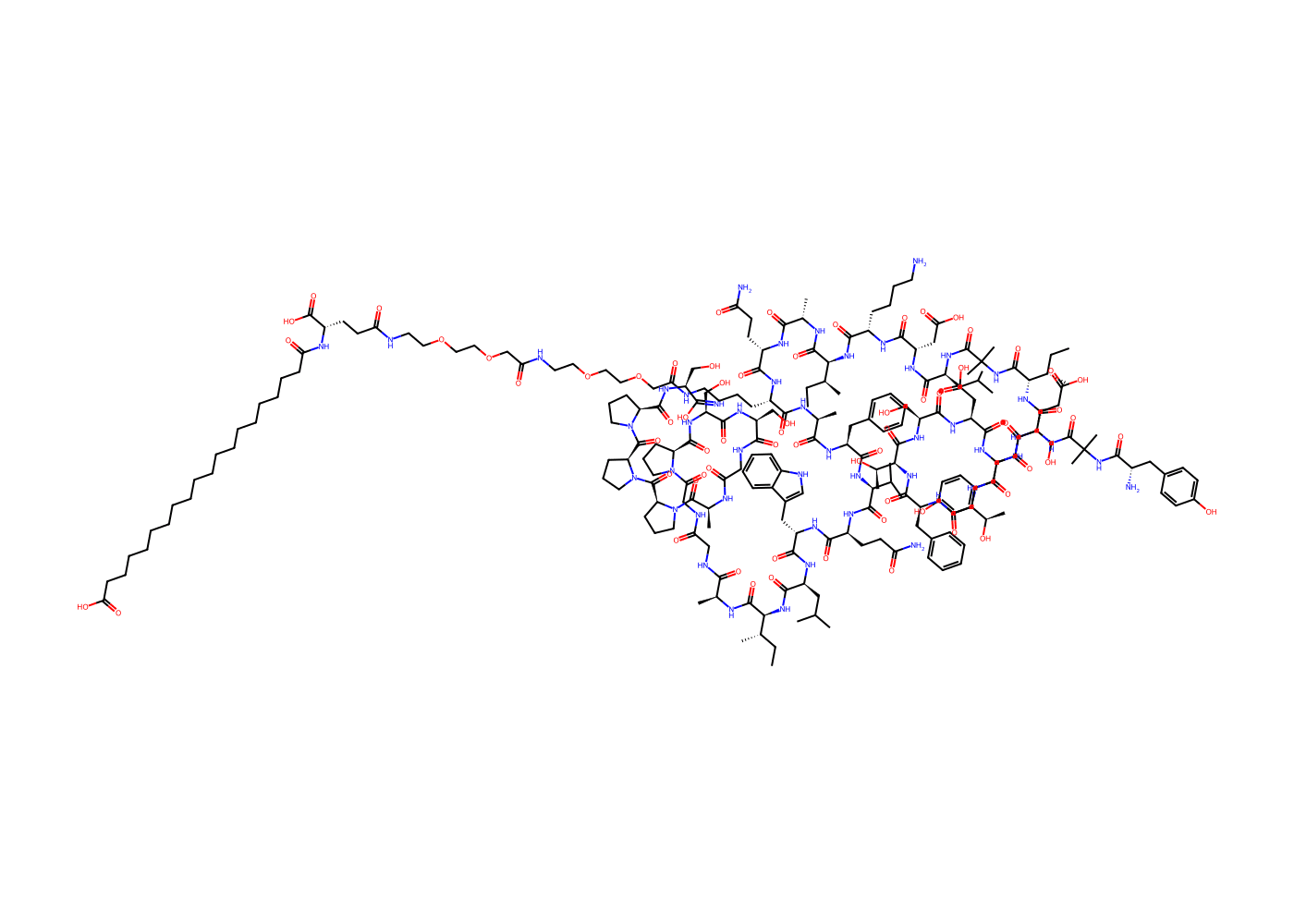
GLP TZ is a GIP/GLP-1 dual-receptor agonist and the first FDA-approved peptide in its class — its clinical significance rests on pairing two complementary incretin pathways in a single molecule, a mechanism now used as the reference point for newer multi-agonist peptides like retatrutide.
What Is GLP TZ?
GLP TZ is a synthetic peptide that acts as a dual agonist at both the glucose-dependent insulinotropic polypeptide (GIP) receptor and the glucagon-like peptide-1 (GLP-1) receptor. The GLP TZ molecule itself is unusual among the compounds covered on this site in that it has already cleared FDA review as an active ingredient — it is marketed under prescription as Mounjaro for type 2 diabetes (approved 2022) and Zepbound for chronic weight management (approved 2023). The unbranded, research-grade material listed for sale on this site is a separate, unapproved compound: it is not manufactured, tested, labeled, or distributed as either branded pharmaceutical product, and it is offered strictly for laboratory research use — not as a substitute for or equivalent to the prescription medication.
GLP-1 Receptor Biology
GLP-1 is secreted by intestinal L-cells in response to nutrient intake and acts on receptors distributed across the pancreas, stomach, and central nervous system. In the pancreas, GLP-1 receptor activation potentiates insulin secretion in a glucose-dependent manner — it amplifies the insulin response specifically when blood glucose is elevated, rather than driving insulin release unconditionally, which limits the hypoglycemia risk relative to insulin secretagogues that act independent of glucose level. In the stomach, GLP-1 signaling slows gastric emptying, and centrally, it acts on hypothalamic and brainstem appetite circuits to promote satiety.
GIP Receptor Biology
GIP is co-secreted with GLP-1 from the gut after eating but engages a structurally distinct receptor and historically produced a weaker glucose-lowering effect on its own, particularly in people with type 2 diabetes, where GIP receptor sensitivity appears blunted. Rather than treating this as a dead end, GLP TZ's development was built on research showing that GIP receptor engagement alongside — not instead of — GLP-1 receptor engagement restores a meaningful contribution from the GIP pathway: it appears to improve insulin sensitivity and may offset some of the gastrointestinal tolerability issues associated with GLP-1 agonism at higher doses, allowing higher effective dosing than GLP-1 agonism alone typically tolerates.
Why "Dual" Rather Than "Single-Pathway Optimized"
GLP TZ's core design premise is that GIP and GLP-1 receptor agonism are synergistic rather than simply additive — engaging both receptors in a single molecule was hypothesized to produce a larger combined metabolic effect than maximizing GLP-1 agonism alone could achieve, because the two receptor systems act on overlapping but non-identical downstream pathways (insulin secretion, insulin sensitivity, appetite, and gastric motility). This synergy hypothesis is the reason GLP TZ is structurally built as a single linear peptide capable of binding both receptor types, rather than as a GLP-1 agonist alone.
Molecular Design
Structurally, GLP TZ is a 39-amino-acid linear peptide based on the native GIP sequence, engineered with a C20 fatty diacid moiety attached via a linker. That fatty acid modification promotes reversible albumin binding in circulation, which is what extends the peptide's functional half-life enough to support once-weekly subcutaneous dosing — the same general engineering strategy used across modern long-acting incretin peptides, including retatrutide.
How the Mechanism Was Validated in Humans
The dual-agonist hypothesis was tested directly in the SURPASS trial program for type 2 diabetes, including a head-to-head comparison against once-weekly semaglutide (a GLP-1-only agonist) published in the New England Journal of Medicine (NEJM). That trial's purpose, mechanistically, was to isolate the marginal contribution of adding GIP receptor agonism on top of GLP-1 agonism under otherwise comparable conditions. The SURMOUNT trial program extended the same mechanistic question to obesity in adults without diabetes, including SURMOUNT-1 (NEJM), a lifestyle-intervention-context trial in SURMOUNT-3, and a further head-to-head comparison against semaglutide in SURMOUNT-5 (Applied Clinical Trials Online). A follow-up analysis of the SURMOUNT-1 dataset also examined body composition specifically — distinguishing fat mass from lean mass in the observed weight change — which speaks to how the dual-receptor mechanism affects tissue composition, not just total body weight (PubMed).
Investigational Extensions
GLP TZ's mechanism continues to generate new research in more specialized populations. A 2025 study in Nature Medicine examined its effect in people with obesity caused by MC4R (melanocortin-4 receptor) deficiency, a genetic condition affecting a downstream appetite-regulation pathway distinct from the GIP/GLP-1 receptors GLP TZ directly targets — a useful test case for understanding how far upstream in the appetite-regulation circuit the dual-agonist mechanism's effects extend.
Regulatory Status
The branded GLP TZ molecule is FDA-approved and available by prescription in the United States under the names Mounjaro (type 2 diabetes) and Zepbound (chronic weight management); its safety and efficacy profile has been reviewed by regulators based on the trial programs summarized above. The research-grade GLP TZ sold on this site is a separate, unapproved compound intended strictly for laboratory research use — it has not itself been evaluated or approved by the FDA, is not manufactured or distributed as Mounjaro or Zepbound, and is not for human or animal use.
The Bottom Line
GLP TZ's lasting research significance is as proof-of-concept for multi-receptor incretin agonism: it demonstrated in large, controlled human trials that combining GIP and GLP-1 receptor activity in one molecule is both mechanistically synergistic and clinically viable. That validated dual-agonist framework is now the direct precedent for newer investigational multi-agonist peptides, including the triple-agonist retatrutide.
TL;DR
GLP TZ is the rare compound on this list that's already FDA-approved and selling under two brand names you've definitely seen ads for, GIP and GLP-1 receptors, one peptide, synergy instead of just addition, the whole dual-agonist thing that made it the reference mechanism everyone else (looking at you, retatrutide) gets compared to. Here's the part that requires a straight face: the branded version went through the full SURPASS/SURMOUNT trial gauntlet and got the FDA's blessing. The research-grade version on this site is, legally and officially, a completely different unapproved compound that has never been near a human trial, same sequence on paper, entirely separate identity in practice. We just document receptor biology. What you do with that distinction is your business.
This article is for research and educational purposes only and does not constitute medical advice. The branded prescription medication is available only by prescription; consult a licensed healthcare provider to determine whether it is appropriate for you. The research-grade compound described above and sold on this site is intended strictly for laboratory research use and is not for human or animal use.
- GLP TZ
- GIP
- GLP-1
- dual agonist
- receptor pharmacology
- incretin biology