BPC-157: Peptide Structure and Proposed Molecular Mechanisms
Stratosbiolabs Research Team
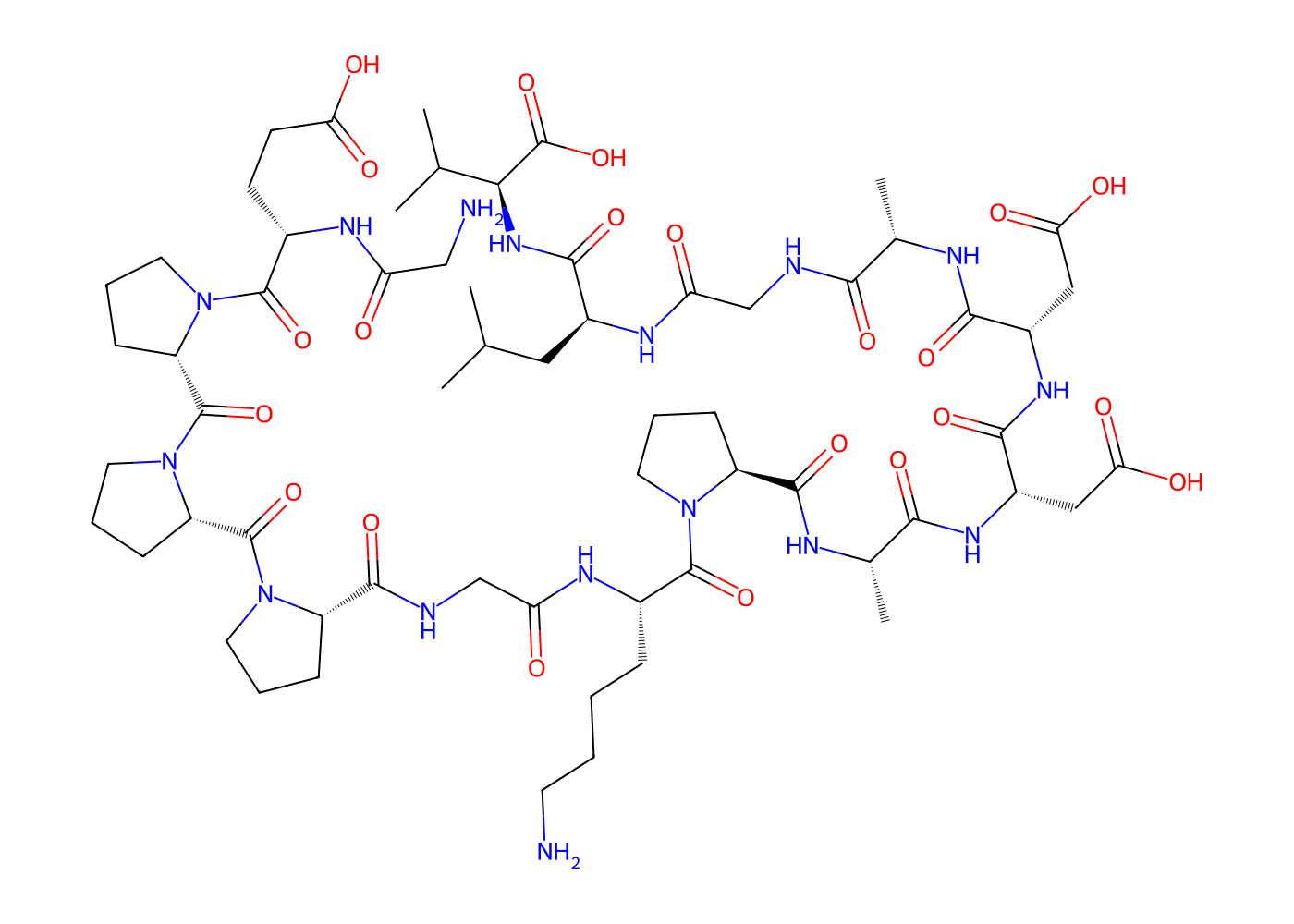
BPC-157 is a synthetic 15-amino-acid peptide studied in preclinical pharmacology for its proposed interactions with nitric oxide signaling and growth-factor receptor pathways — notably, a specific high-affinity cell-surface receptor for the peptide has not been identified in the published literature.
What Is BPC-157?
BPC-157 (short for "Body Protection Compound-157") is a synthetic pentadecapeptide — a chain of 15 amino acids — originally derived from a partial sequence identified in human gastric juice. It does not occur naturally in this exact synthetic form; it was engineered by researchers studying a larger, naturally occurring protein sequence in gastric secretions. Its amino acid sequence (Gly-Glu-Pro-Pro-Pro-Gly-Lys-Pro-Ala-Asp-Asp-Ala-Gly-Leu-Val) is the defining chemical identity referenced across the preclinical pharmacology literature.
The Nitric Oxide Pathway Hypothesis
The most frequently cited mechanistic hypothesis, developed largely through Croatian pharmacology research groups over the past three decades, centers on BPC-157's proposed interaction with the nitric oxide (NO) signaling system. Preclinical work has explored modulation of endothelial nitric oxide synthase (eNOS) activity as a candidate pathway, since NO signaling is a well-established regulator of vascular smooth muscle tone, endothelial cell function, and angiogenic signaling cascades at the cellular level.
Growth Factor and Focal Adhesion Signaling
A second, related line of mechanistic inquiry has examined BPC-157's proposed effects on growth-factor receptor pathways, including vascular endothelial growth factor receptor 2 (VEGFR2) signaling and focal adhesion kinase (FAK)–paxillin complex formation. These are the intracellular signaling nodes that regulate cytoskeletal reorganization and cell migration machinery. A 2019 review in the Journal of Physiology and Pharmacology characterized this proposed pathway in the context of soft-tissue preclinical models (PubMed), and more recent reviews have continued to map this signaling network in greater molecular detail (PubMed; PubMed; MDPI).
Receptor Identity: An Open Question
Despite an extensive preclinical literature, no confirmed, high-affinity cell-surface receptor for BPC-157 has been isolated and characterized through direct receptor-binding studies. The nitric oxide and growth-factor pathway findings described above are downstream signaling observations, not evidence of a specific receptor-ligand interaction. Reviewers across the recent literature — including the 2025 narrative review cited above — consistently flag this as an open mechanistic question: researchers can describe signaling pathways that appear to be modulated in the presence of BPC-157 without yet having identified the molecular target that initiates that modulation.
Cytoskeletal Dynamics and Cell Migration Signaling
At the cellular level, the FAK-paxillin and VEGFR2 pathways described above converge on cytoskeletal reorganization — the actin filament dynamics that drive cell shape change and migration. This is the molecular basis for the angiogenic signaling (new blood vessel formation at the cellular level) that appears throughout the preclinical literature on this peptide, and it is the primary mechanistic thread connecting BPC-157's proposed NO-pathway and growth-factor-pathway effects into a single signaling model.
Regulatory Status
BPC-157 is not approved by the FDA for any use in the United States. The World Anti-Doping Agency added BPC-157 to its Prohibited List in 2022 under category S0 ("Non-Approved Substances"), meaning no therapeutic use exemption is available to athletes subject to WADA testing.
The Bottom Line
BPC-157's mechanistic literature is built around signaling-pathway observations — nitric oxide system modulation, VEGFR2 and FAK-paxillin pathway activity, and downstream cytoskeletal signaling — rather than a confirmed receptor-binding mechanism. That gap between "pathways observed to be modulated" and "molecular target identified" remains the central open question in the peptide's pharmacology.
TL;DR
BPC-157 has the resume of an overachiever: 15 amino acids, gastric-juice origin story, three decades of Croatian lab papers, greatest hits in NO signaling and VEGFR2/FAK-paxillin pathways. What it doesn't have is a receptor. Nobody's found the lock this key supposedly fits; researchers just keep describing the noise it makes downstream. It's not FDA-approved for anything, and WADA banned it in 2022, so make of that whatever you will. We're just here for the molecular ribbon graphics. 👀
This article is for research and educational purposes only and does not constitute medical advice.
- BPC-157
- pentadecapeptide
- nitric oxide signaling
- receptor pharmacology
- preclinical research