CJC-1295 (No DAC): Receptor Pharmacology of a Short-Acting GHRH Analog
Stratosbiolabs Research Team
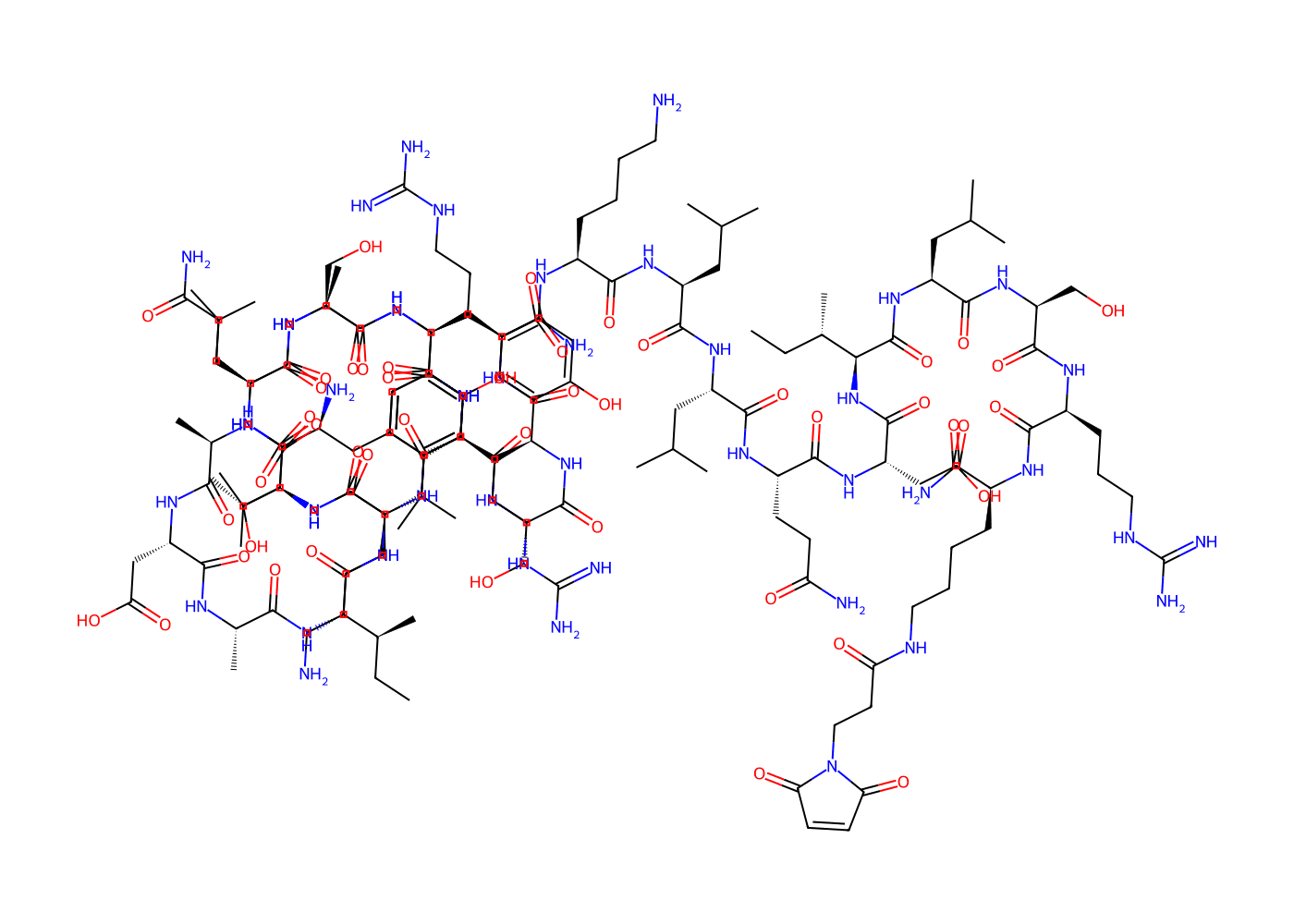
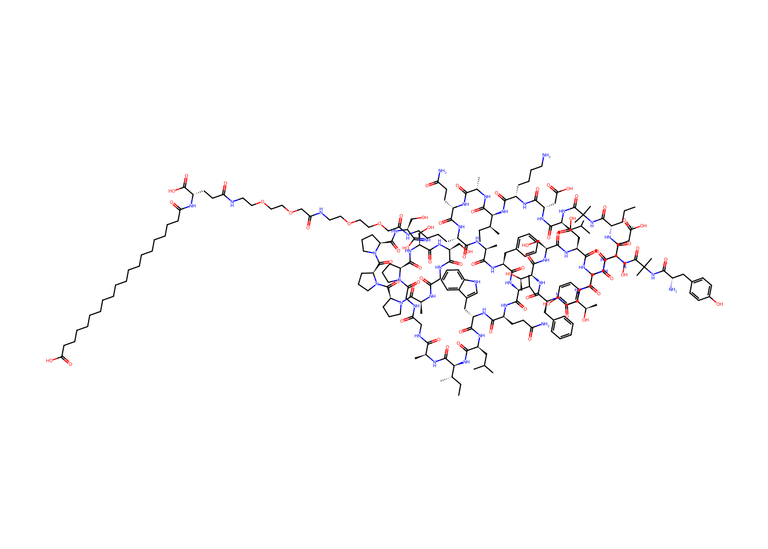
CJC-1295 without DAC — often labeled "Mod GRF (1-29)" — is a modified fragment of growth hormone-releasing hormone engineered for GHRH-receptor agonism without the albumin-binding conjugate that extends the half-life of its DAC-linked counterpart.
What Is CJC-1295 (No DAC)?
CJC-1295 is built on the backbone of growth hormone-releasing hormone (GHRH), the 44-amino-acid hypothalamic peptide whose 1–29 amino acid fragment retains full receptor-binding activity at the GHRH receptor. Native GHRH(1-29) is enzymatically degraded within minutes in circulation, which has driven pharmacological interest in stabilized analogs of the same fragment.
There are two distinct constructs referred to as "CJC-1295" in the literature and commercial peptide market, and distinguishing them is a matter of receptor pharmacokinetics, not just naming:
CJC-1295 with DAC — the modified GHRH(1-29) fragment is chemically conjugated to a Drug Affinity Complex (DAC) that binds serum albumin, extending its circulating half-life to several days via reversible albumin association.
CJC-1295 without DAC (commonly called Modified GRF 1-29) — the same modified GHRH fragment without the albumin-binding conjugate, giving it a short half-life of roughly 30 minutes, closer to native GHRH(1-29) kinetics.
This article covers the no-DAC / Mod GRF 1-29 construct specifically, since its receptor-engagement kinetics differ substantially from the DAC-linked version.
Receptor Mechanism
Both constructs act as agonists at the GHRH receptor, a G-protein-coupled receptor (GPCR) expressed on somatotroph cells in the anterior pituitary. Receptor binding activates adenylate cyclase signaling, raising intracellular cyclic AMP (cAMP) and triggering calcium-dependent secretory vesicle release. The receptor pharmacology is identical between the DAC and no-DAC forms — what differs is the pharmacokinetic profile governing how long the ligand remains available to engage the receptor.
Pulsatile vs. Sustained Receptor Engagement
Because Mod GRF 1-29 clears rapidly, it produces a short, discrete pulse of GHRH-receptor engagement rather than the sustained receptor occupancy the DAC-conjugated version produces over several days. This pulsatile engagement pattern is why, in the receptor-pharmacology literature, the no-DAC construct is frequently studied or paired with a ghrelin-receptor agonist such as ipamorelin: GHRH-receptor and ghrelin-receptor (GHS-R1a) signaling converge on somatotroph secretory activity through distinct G-protein pathways, and concurrent engagement of both receptors produces a larger combined secretory signal than either receptor pathway alone.
Human Pharmacokinetic Data
The foundational human pharmacology data for this peptide family comes from a randomized, placebo-controlled trial published in the Journal of Clinical Endocrinology & Metabolism, which characterized the long-acting (DAC-conjugated) construct specifically. That trial reported an estimated half-life of 5.8–8.1 days for the DAC-linked form, with dose-dependent receptor-engagement effects sustained for six or more days following a single administration at doses of 30–60 mcg/kg (PubMed).
That data specifically characterizes the DAC-conjugated construct's pharmacokinetics — its multi-day receptor engagement window is a direct function of the albumin-binding conjugate the no-DAC version lacks. Dedicated human pharmacokinetic characterization isolating the short-acting Mod GRF 1-29 fragment specifically is considerably sparser in the published literature; much of what is described about its ~30-minute half-life follows from receptor-binding and clearance principles applied to the unconjugated peptide structure rather than dedicated trials of the no-DAC form.
Regulatory Status
Neither form of CJC-1295 is FDA-approved. It is sold in the U.S. almost exclusively as a "research chemical."
The Bottom Line
CJC-1295 without DAC is best understood through GHRH-receptor pharmacology and pulsatile-versus-sustained receptor engagement kinetics, rather than as a peptide with its own large, dedicated pharmacokinetic trial base — most of the confidence in its behavior is inferred from the better-characterized DAC-conjugated construct and from GPCR pharmacology principles.
TL;DR
CJC-1295 (No DAC) aka Mod GRF 1-29 is GHRH's high-strung younger sibling: same receptor, same GPCR-cAMP mechanism, but it clears out of circulation in about 30 minutes instead of sticking around for a week like its DAC-conjugated cousin. Here's the fun part: nearly all the solid human PK data belongs to that week-long cousin, not this one; the ~30-minute half-life everyone quotes is basically "seems right, based on the vibes of receptor-binding theory," not a dedicated trial. It's not FDA-approved, it's sold as a research chemical and it's usually paired with ipamorelin because apparently one undercharacterized peptide pathway wasn't enough. We just draw the molecular ribbons. You draw your own conclusions.
This article is for research and educational purposes only and does not constitute medical advice.
- CJC-1295
- GHRH receptor
- pulsatile signaling
- Mod GRF 1-29
- receptor pharmacology